Rock never dies.
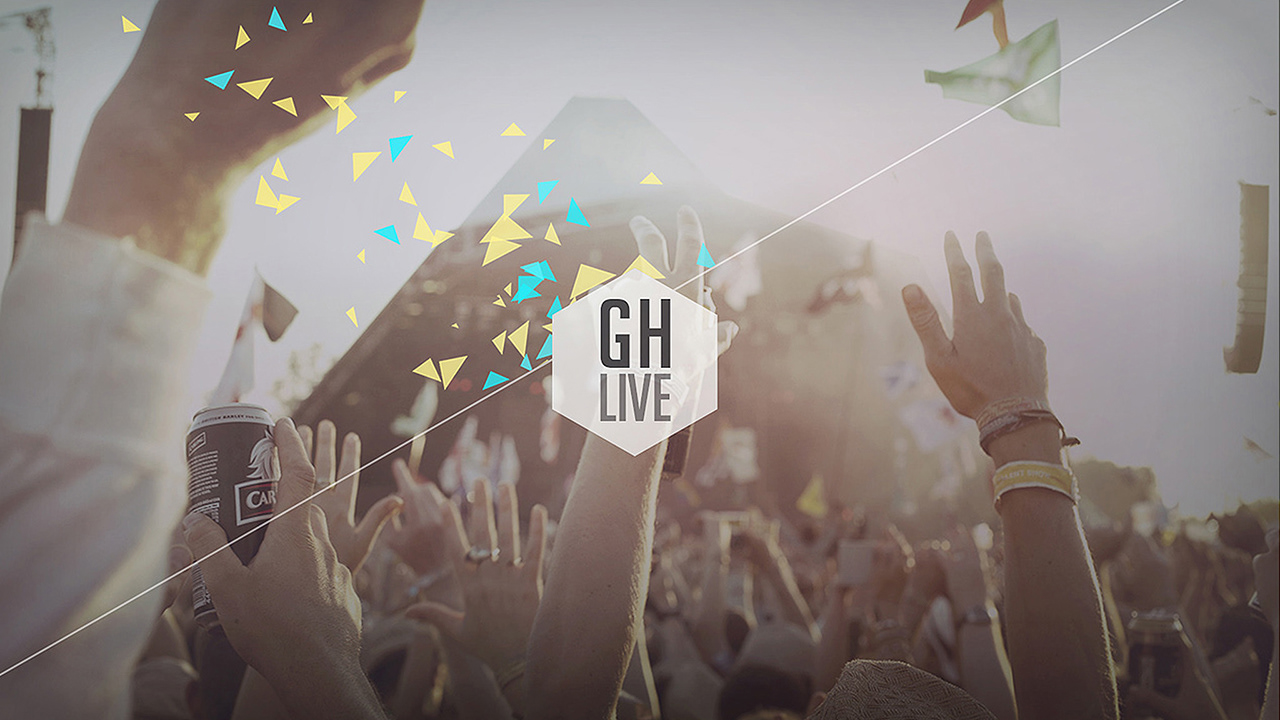
As Lead UI at FreeStyleGames, I helped breathe new life into the classic Guitar Hero franchise during the early development of Guitar Hero Live.
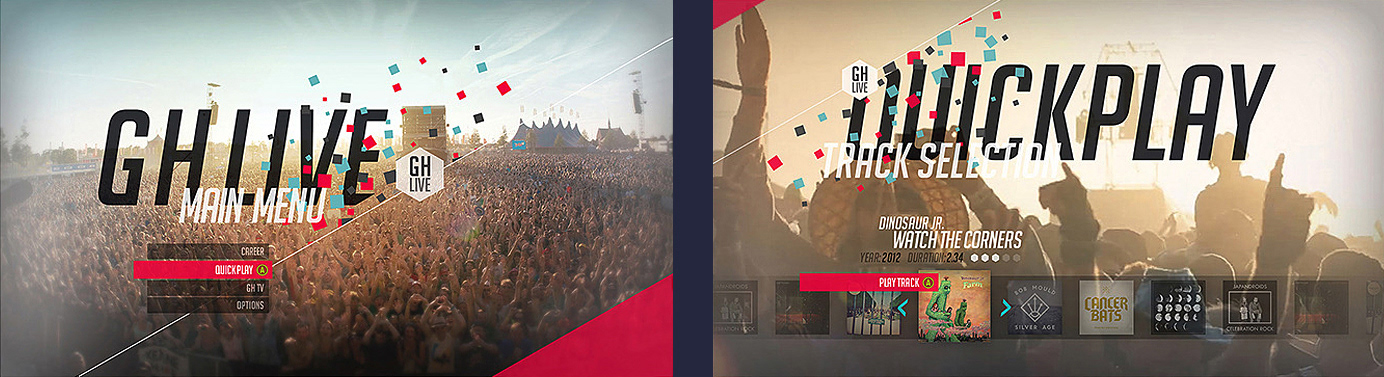
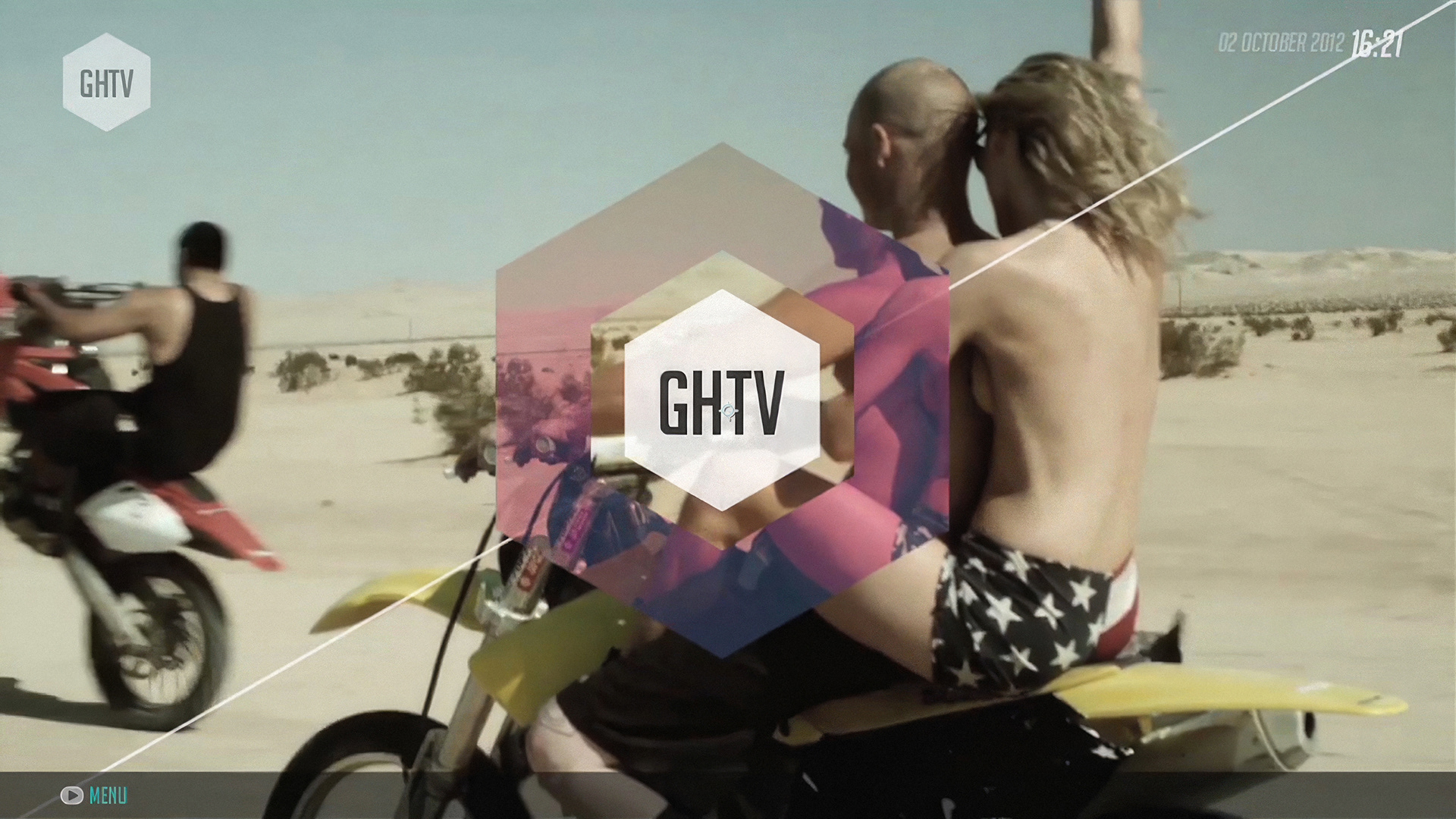
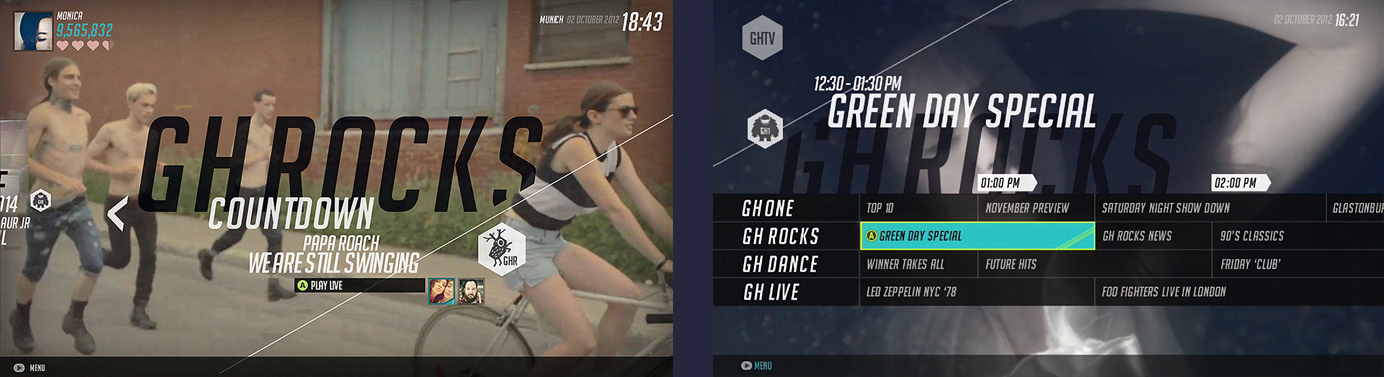
We began working on the project shortly before the launch of the PlayStation 4, as music was moving away from physical media towards digital platforms. I developed several approaches for the game, two of which were selected for further exploration: a single-player festival experience and an online mode inspired by music television, iTunes and YouTube. The online concept gave players access to an evolving library of content shaped around their musical preferences.
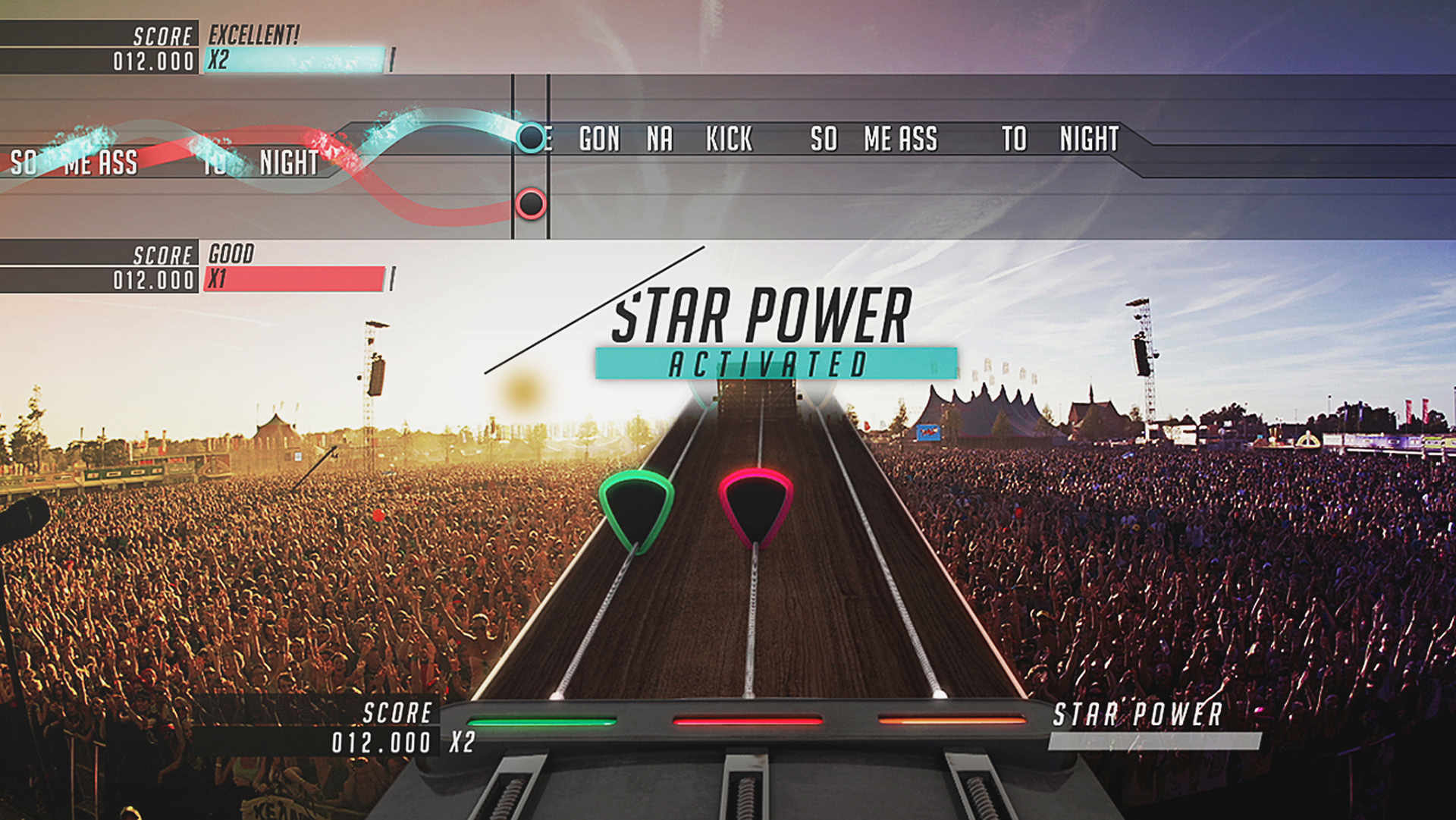
My work covered art direction, branding and graphic design. I drew inspiration from a wide range of media and visual references to create something bold, clean and contemporary. It needed to feel new enough to connect with another generation of players while remaining familiar enough not to alienate existing Guitar Hero fans.
After I left the project, the single-player mode developed around live-action background videos intended to make players feel like real rock stars. I was never entirely convinced by that direction. To me, it felt slightly self-indulgent and cheesy, more like something from an early 1990s CD-ROM game.
Rock never dies, although, judging by the sales, sometimes it does.
Even so, I enjoyed contributing to the project during its early development. When you no longer believe in the direction something is taking, sometimes the right decision is to step back and give others the opportunity to run with it.
As Lead UI at FreeStyleGames, I helped breathe new life into the classic Guitar Hero franchise during the early development of Guitar Hero Live.
We began working on the project shortly before the launch of the PlayStation 4, as music was moving away from physical media towards digital platforms. I developed several approaches for the game, two of which were selected for further exploration: a single-player festival experience and an online mode inspired by music television, iTunes and YouTube. The online concept gave players access to an evolving library of content shaped around their musical preferences.
My work covered art direction, branding and graphic design. I drew inspiration from a wide range of media and visual references to create something bold, clean and contemporary. It needed to feel new enough to connect with another generation of players while remaining familiar enough not to alienate existing Guitar Hero fans.
After I left the project, the single-player mode developed around live-action background videos intended to make players feel like real rock stars. I was never entirely convinced by that direction. To me, it felt slightly self-indulgent and cheesy, more like something from an early 1990s CD-ROM game.
Rock never dies, although, judging by the sales, sometimes it does.
Even so, I enjoyed contributing to the project during its early development. When you no longer believe in the direction something is taking, sometimes the right decision is to step back and give others the opportunity to run with it.