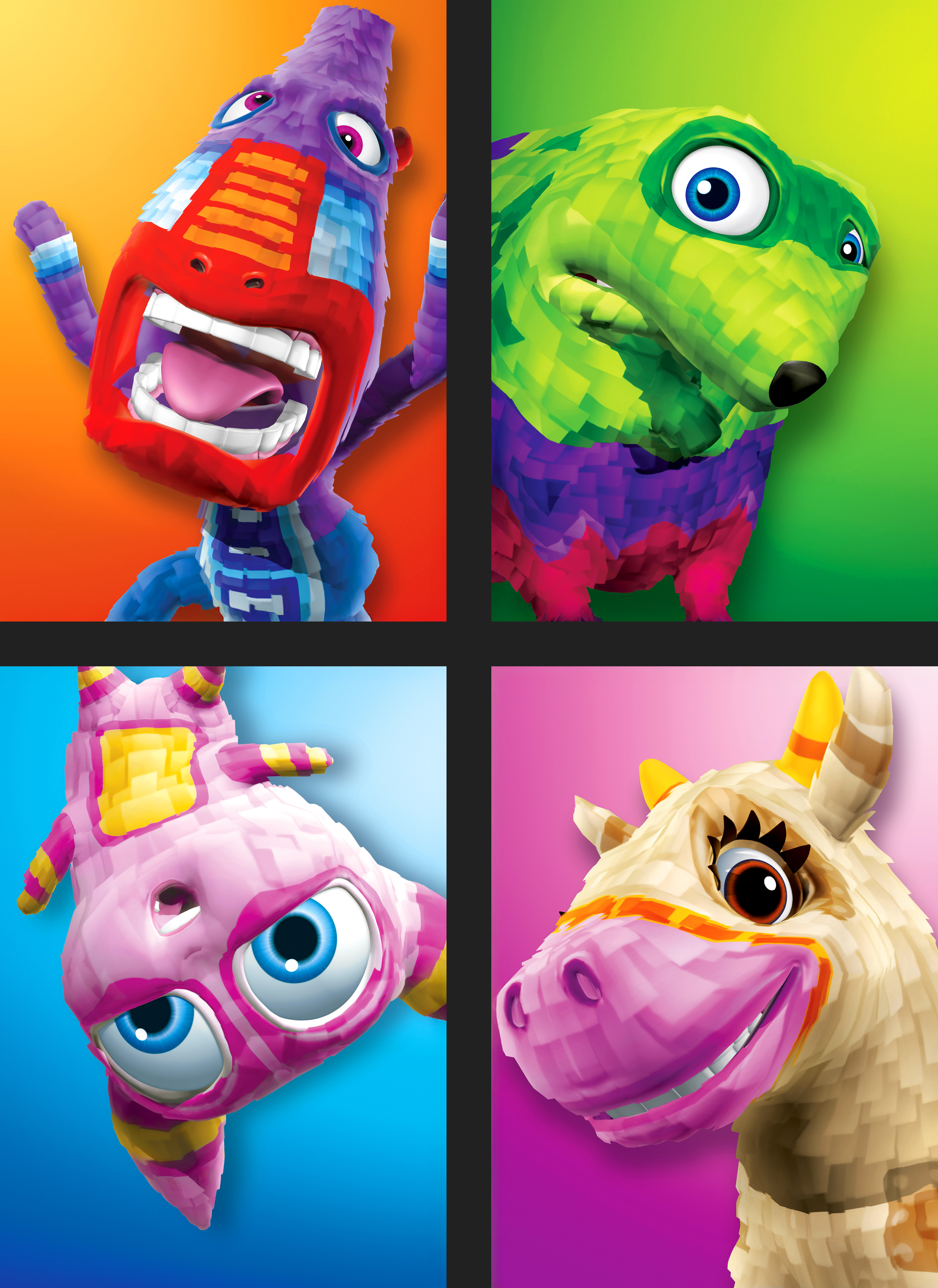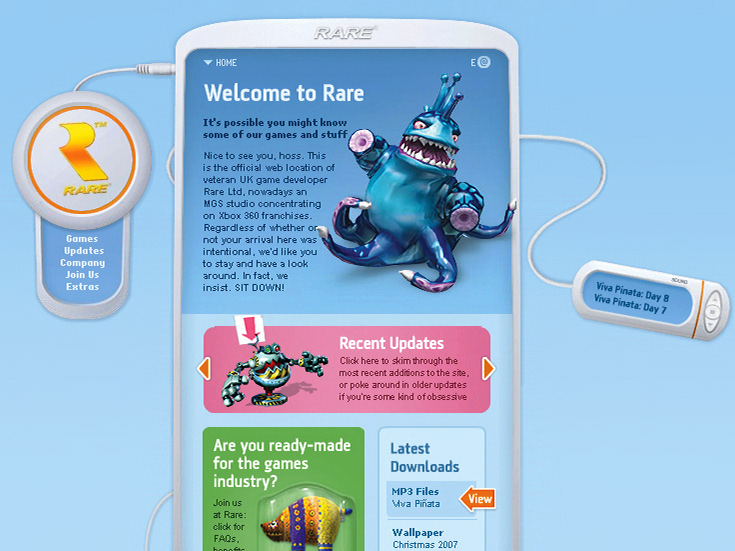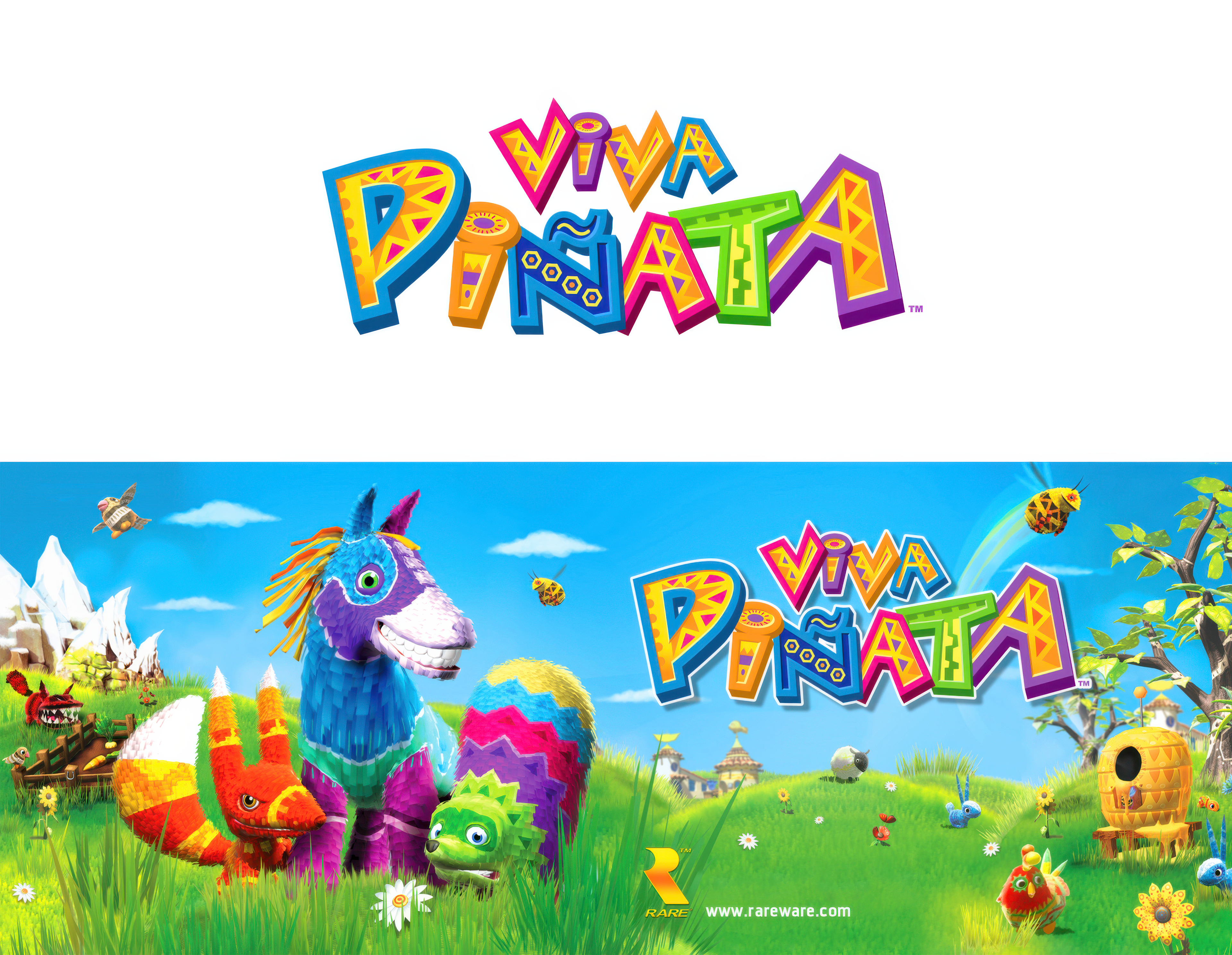
Viva Piñata was unlike almost anything else on Xbox at the time. Developed by Rare and published by Microsoft Game Studios, it combined gardening and creature breeding within a colourful world inhabited by living, sweet-filled piñatas.
Beneath its child-friendly surface, however, the game had a mischievous edge. It encouraged players to break their lovable creations and engage in some decidedly questionable breeding practices.
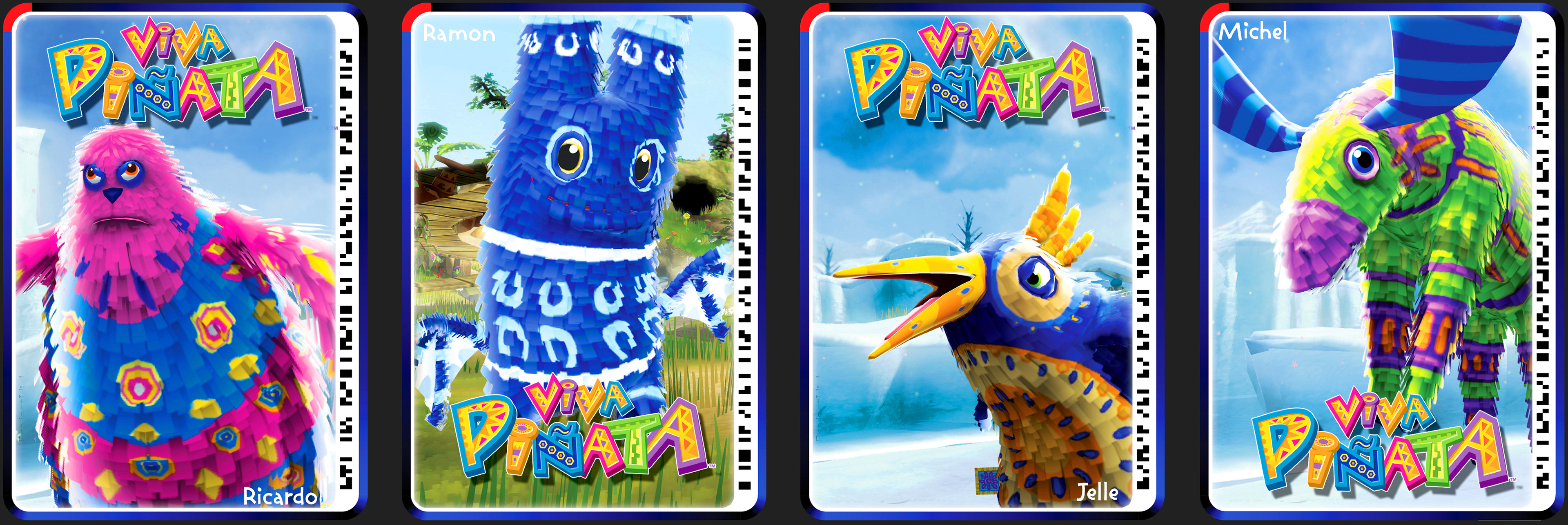
I created and managed a range of promotional materials for the original game, including the flyers and exhibition panels shown here. For the sequel, Viva Piñata: Trouble in Paradise, I helped develop a set of Pokémon-style collectible cards that were distributed to journalists as part of the promotional campaign. The cards could be scanned using the Xbox Live Vision camera to bring characters into the game, an early example of the physical-digital crossover later popularised by games such as Skylanders.
Ryan Stevenson created the concept work behind the game’s distinctive visual identity. He was a hugely talented artist and a pleasure to work with, so it was no surprise when he later became Art Director at Rare.
It was a lovely project, with an art style that contrasted sharply with almost every other Xbox title of the period. The game received solid reviews, although I have always felt its character, humour and accessible gameplay might have found even greater success on a Nintendo platform.
Beneath its child-friendly surface, however, the game had a mischievous edge. It encouraged players to break their lovable creations and engage in some decidedly questionable breeding practices.
I created and managed a range of promotional materials for the original game, including the flyers and exhibition panels shown here. For the sequel, Viva Piñata: Trouble in Paradise, I helped develop a set of Pokémon-style collectible cards that were distributed to journalists as part of the promotional campaign. The cards could be scanned using the Xbox Live Vision camera to bring characters into the game, an early example of the physical-digital crossover later popularised by games such as Skylanders.
Ryan Stevenson created the concept work behind the game’s distinctive visual identity. He was a hugely talented artist and a pleasure to work with, so it was no surprise when he later became Art Director at Rare.
It was a lovely project, with an art style that contrasted sharply with almost every other Xbox title of the period. The game received solid reviews, although I have always felt its character, humour and accessible gameplay might have found even greater success on a Nintendo platform.