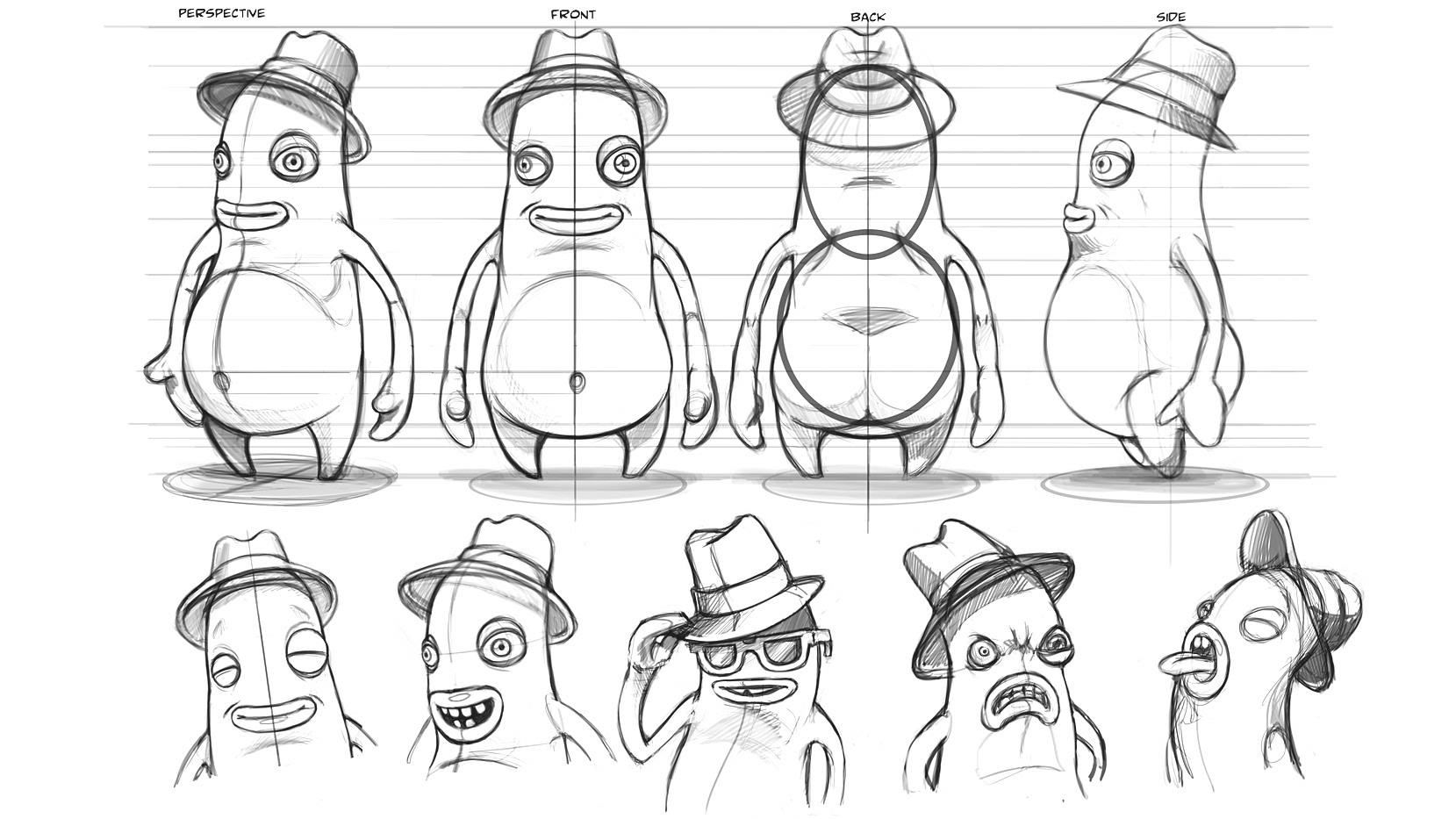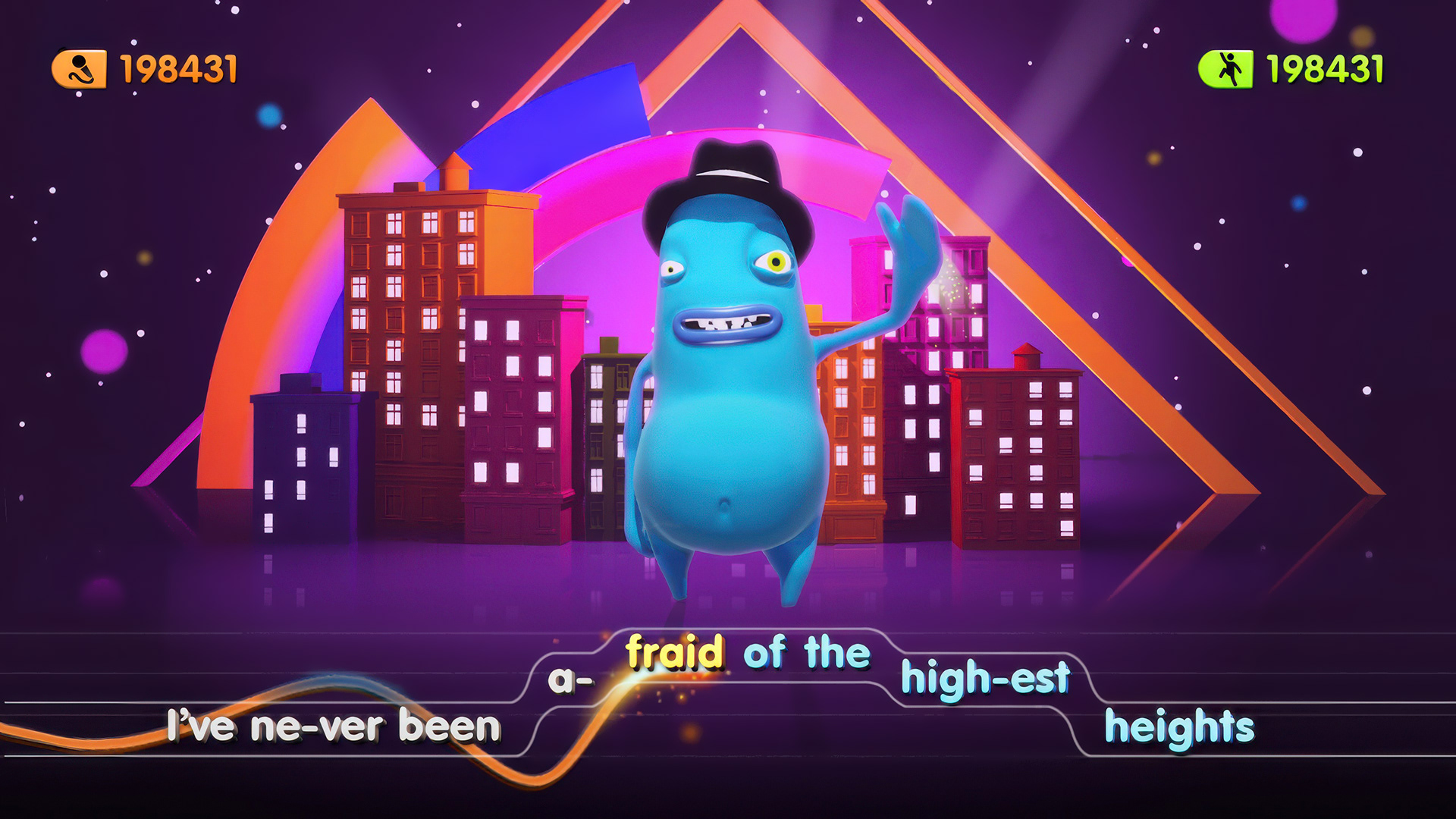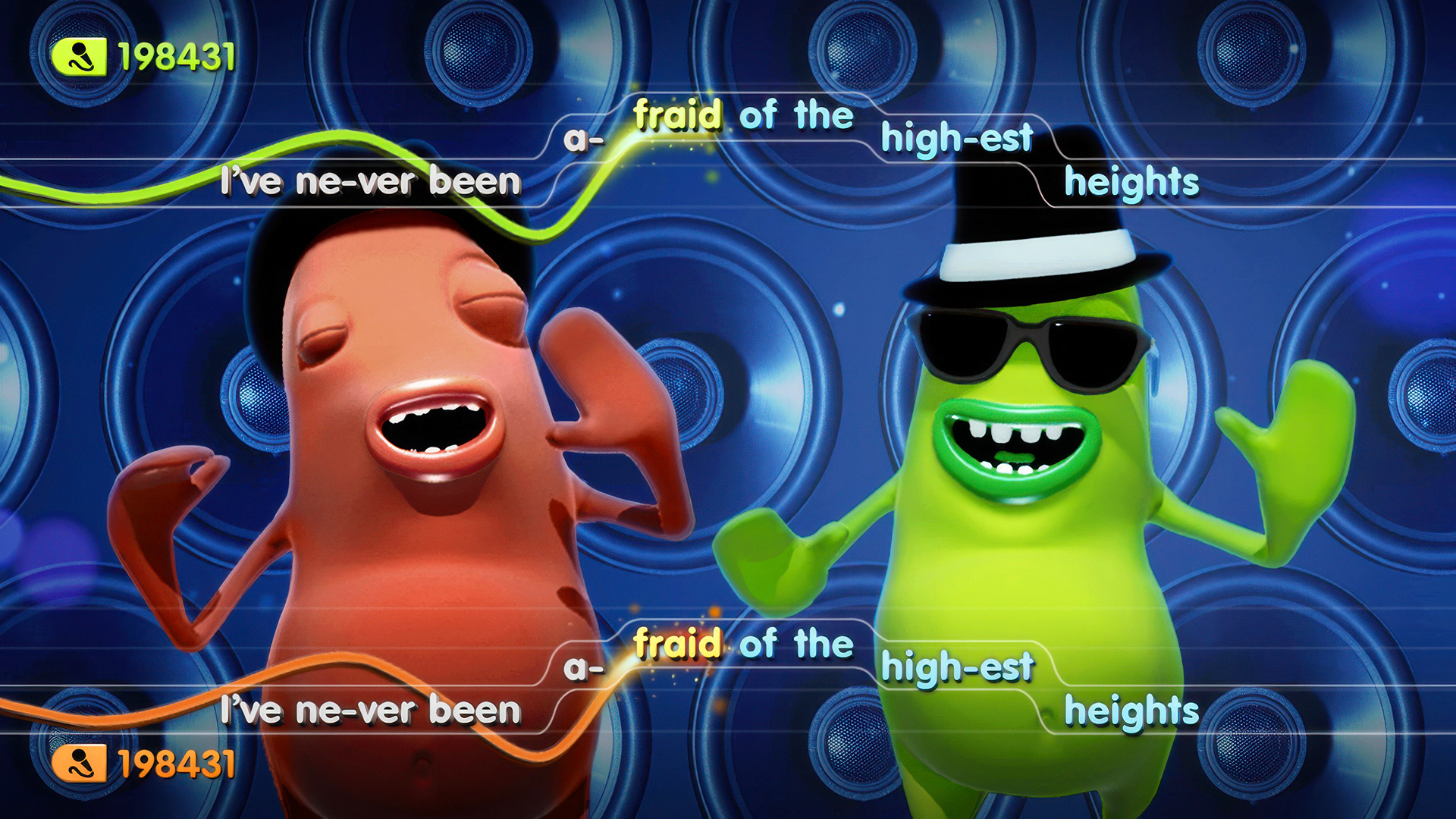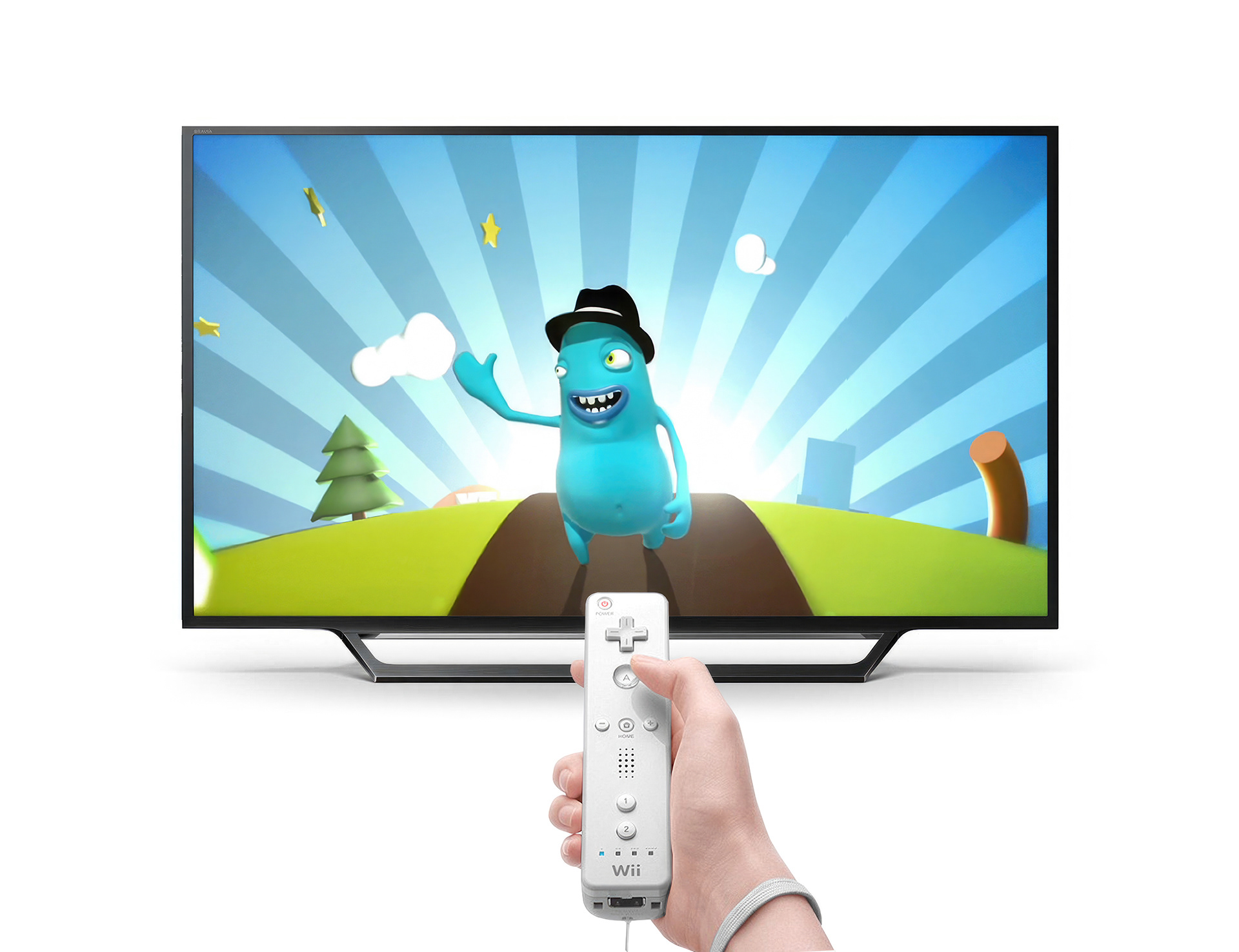
This was one of a series of ideas I developed at Activision while exploring music and singing-based concepts for the launch of Nintendo’s Wii U. The direction was character-driven, combining charm, humour and a strong sense of performance.
The idea was to pair child-friendly visuals with expressive animation and audio that had enough personality and wit to appeal to adults. From a commercial perspective, it felt like a natural fit for Nintendo’s core family audience and an opportunity to create something fresher than the usual karaoke titles. Like any good family-focused product, it offered something for both adults and children.
The concept centred on a character with broad appeal, whose animation responded in fun, dynamic ways to the player’s vocals and performance. I also wanted to explore interactive music video experiences that changed in real time according to how the player was singing or dancing.
Looking back, I think it could have stood out far more than Sing Party, which we eventually shipped. I have always believed it is better to create something interesting and different than to endlessly polish something predictable.
The idea was to pair child-friendly visuals with expressive animation and audio that had enough personality and wit to appeal to adults. From a commercial perspective, it felt like a natural fit for Nintendo’s core family audience and an opportunity to create something fresher than the usual karaoke titles. Like any good family-focused product, it offered something for both adults and children.
The concept centred on a character with broad appeal, whose animation responded in fun, dynamic ways to the player’s vocals and performance. I also wanted to explore interactive music video experiences that changed in real time according to how the player was singing or dancing.
Looking back, I think it could have stood out far more than Sing Party, which we eventually shipped. I have always believed it is better to create something interesting and different than to endlessly polish something predictable.